

Defending the human timeline against the entropy of a synthetic era
The Death of the Unverified History

We are currently witnessing the erosion of the shared human record. As LLMs proliferate and gen AI produces increasingly indistinguishable deepfakes, the truth is no longer a static landmark but a fluid, ever-drifting concept.
We are entering an era where our collective memory is being overwritten by hallucinations and synthetic artifacts. To prevent a total collapse of historical continuity, we must transition from a culture of trust to a culture of verification, we suggest through a dedicated Reality Recorder.
The Temporal Gap in Artificial Intelligence
The primary vulnerability of current AI systems is their detachment from the “now.” Most sophisticated models operate on static datasets, frozen at the moment their training concluded. While they possess an encyclopedic grasp of the distant past, they lack an organic connection to the immediate present.
This concept of time in AI creates a dangerous vacuum where hallucinations can take root. If an agent cannot verify what happened ten seconds ago through a verifiable reality trail, it is forced to predict or fill in the gaps, leading to the death of unverified history.
Blockchain As An Immutable Timeline > Speculative Monetary Ops
To anchor the human timeline, we must decouple blockchain technology from the volatility of crypto speculation. In this context, the blockchain serves a purely structural purpose: it is an immutable, 24/7 ledger that provides a high-resolution audit trail of reality. It is the only technology capable of providing a decentralized clock that both humans and machines can synchronize with.
For AI entities to function safely within our society, they require a grounding mechanism. This is where the ARPA Live ID becomes essential. By establishing a Sovereign Identity Standard, we ensure that every action taken by an agent is legally and technically bound to a verifiable entity. This prevents the rogue AI threat by ensuring that every digital footprint is traceable to a source, effectively reinventing identity for a post-human landscape where accountability is the only currency that matters.
ESTIA and the Reality Recorder
The solution to this crisis of truth is what we refer to internally as ESTIA, the Reality Recorder. It functions as a DLT designed to track dynamic parameters of truth, from weather patterns, tidal shifts, biological movements, and transactional data, all the way to supply chain trails, and agent actions, in real time. Unlike an LLM that reads a news headline about an event, an autonomous Logical System, whether it be an AI or a street lamp, connected to ESTIA, has access to the raw reality trail.
Consider an autonomous drone navigating a complex urban environment. It cannot rely on a model trained six months ago to understand the current state of its surroundings. It needs access to real-time data that is cryptographically secured and timestamped. ESTIA provides this indisputable historical record, ensuring that the machine is operating on fact, not a probabilistic guess.
From Provenance to Legacy: ElevSys
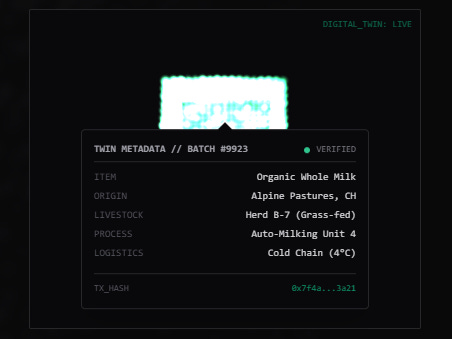
This necessity extends beyond high-level intelligence to the very fabric of our supply chains and physical movements. Projects like ElevSys provide the granular audit trails required for modern provenance. Whether it is tracking the temperature and ownership of a container of fresh milk or verifying the transfer of digital assets, every move must be registered in a future-proof, decentralized manner.
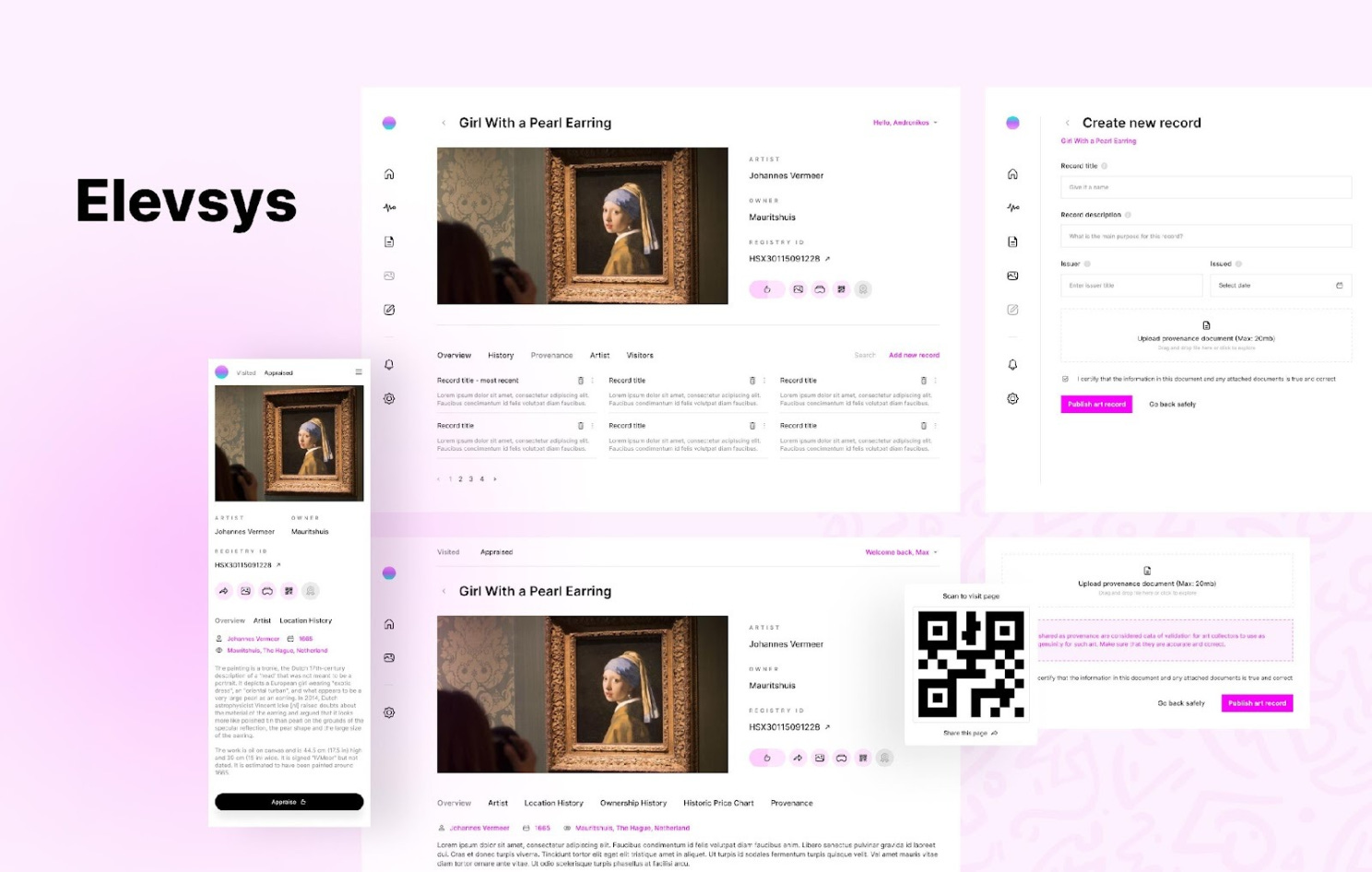
By utilizing these Logical Systems, we ensure that as the world becomes increasingly synthetic, the truth remains verifiable. We are not just recording data, but we are engineering a framework for indefinite operational continuity. The Reality Recorder is the only bridge that can carry the weight of human history across the chasm of the digital age, ensuring that our legacy remains ours, uncorrupted by the entropy of time.
To learn more about ESTIA, ElevSys, ARPA Live ID, and our work in Auotnomous Logical Systems, visit: arpacorp.net or get in touch via input@arpacorp.net